Česká asociace pro psychoterapii: Co to je a proč to pro tebe důležité je
When you look for a therapist in the Czech Republic, you’re not just picking a name—you’re choosing a person who follows a Česká asociace pro psychoterapii, organizace, která stanovuje standardy kvality, vzdělávání a etiky pro psychoterapeuty v Česku. Also known as ČAP, it ensures that the person you trust with your mental health has met strict training requirements and follows a code that protects you, not just the practitioner. This isn’t just paperwork. It’s the difference between someone who’s been trained for years in trauma-informed care and someone who just hung up a shingle after a weekend course.
When you choose a therapist who’s a member of Česká asociace pro psychoterapii, you’re not just getting a professional—you’re getting someone bound by an etický kodex, soubor pravidel, která zakazují využívání klienta, zneužívání vztahu a nekvalifikované praktiky. Also known as kódex chování terapeuta, it means your therapist can’t push you into treatments they’re not qualified for, can’t pressure you into long-term contracts, and must keep your information private unless you’re in danger. This isn’t theoretical. In 2024, a client in Brno successfully reported a therapist who violated these rules—and the association revoked his license. That’s accountability.
And it’s not just about rules. Česká asociace pro psychoterapii also ensures that therapists stay updated. They require continuing education—every year. So if you’re seeing someone who’s a member, they’ve likely trained in EMDR, DBT, or ACT—not just read a book on it. They’ve practiced under supervision. They’ve been reviewed. They’ve passed exams. That’s why you’ll find most of the therapists mentioned in our posts—those who use EMDR for trauma, DBT for borderline personality, or ACT for anxiety—are members. Because they know: real help isn’t about buzzwords. It’s about competence.
Most people don’t realize how many therapists in Czechia aren’t members. Some are psychologists with no psychotherapy training. Others are counselors who completed a 6-month online course. They might be kind. They might be well-meaning. But they’re not qualified to handle deep trauma, complex anxiety, or relationship breakdowns the way a certified psychotherapist is. That’s why we always recommend checking membership first. Ask: "Are you a member of Česká asociace pro psychoterapii?" If they hesitate, walk away. Your healing isn’t a gamble.
And if you’re unsure where to start? Look for therapists who list their ČAP membership clearly on their website. That’s your first sign of professionalism. Then check if they follow the terapeutická dohoda, smlouva, která jasně definuje práva klienta, cíle terapie, poplatky a možnosti přerušení. Also known as terapeutická smlouva, it’s not a formality—it’s your legal shield. You have the right to know how long therapy will last, how much it costs, and when you can stop. No one should make you feel guilty for leaving if it’s not working.
Below, you’ll find real posts from people who’ve been through trauma, relationship breakdowns, anxiety, and therapy burnout. Each one was written by someone who chose a therapist grounded in real standards—not hype. You’ll learn how to spot the difference, how to ask the right questions, and why the smallest detail—like whether your therapist has a valid ČAP certificate—can make all the difference between healing and more pain.
Stigma psychoterapie v ČR: Jak překonat obavy z vyhledání pomoci
- Od : Molly Mortimer
- Datum : úno 7 2026
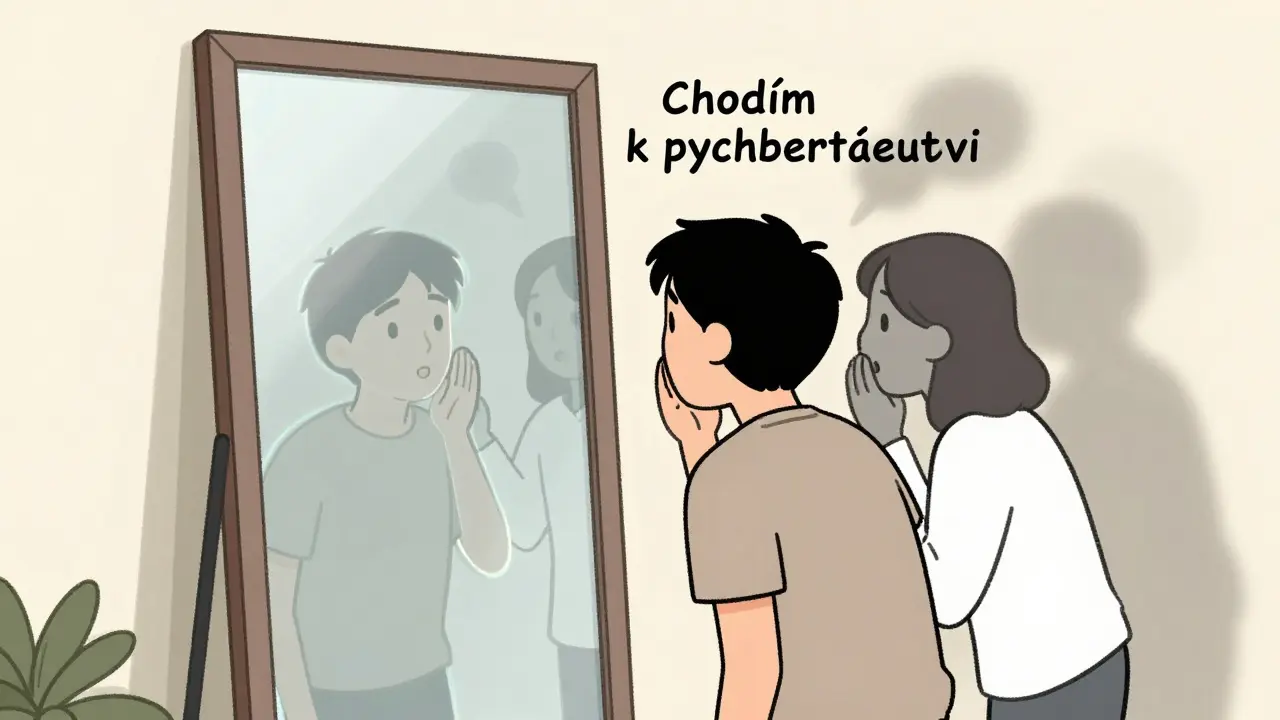
Stigma kolem psychoterapie v Česku brání mnoha lidem v hledání pomoci. Zjistěte, proč se lidé stydí, jak se to mění a jak překonat obavy, abyste mohli začít s terapií bez strachu.
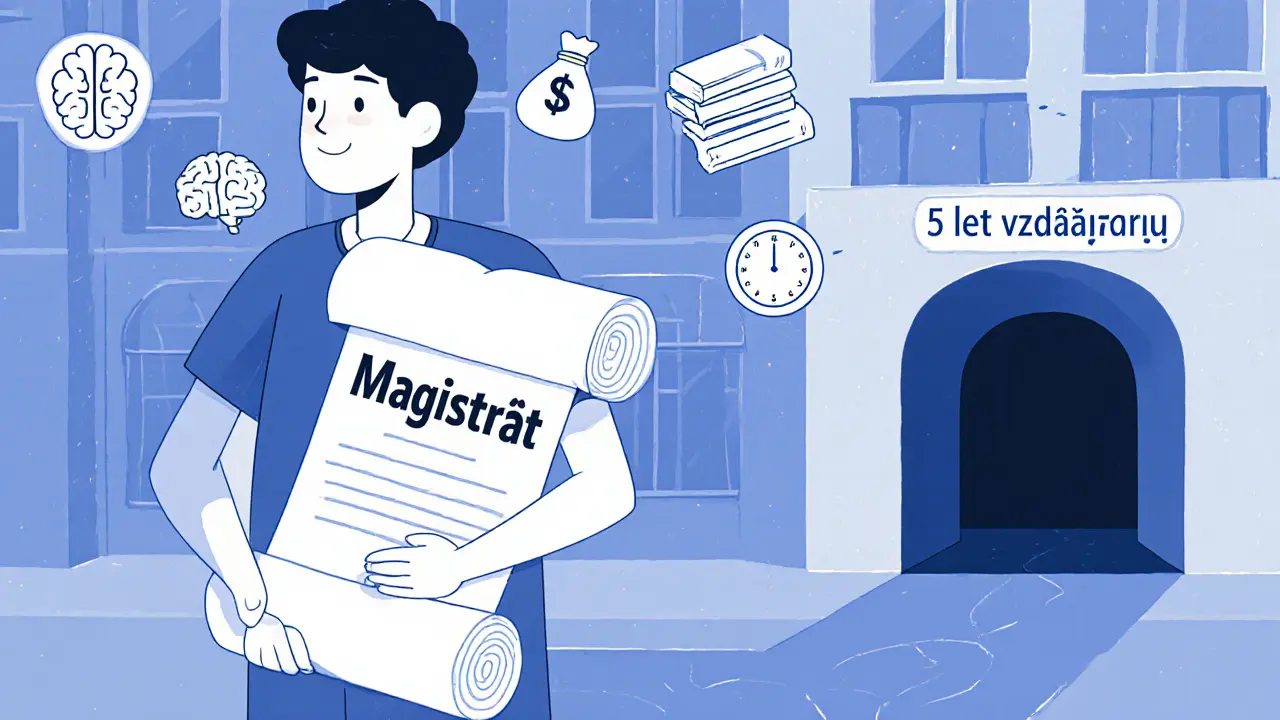
Jak se stát psychoterapeutem v ČR: Krok za krokem k kvalifikaci a praxi
- Od : Molly Mortimer
- Datum : lis 23 2025
Zjistěte, jak se stát kvalifikovaným psychoterapeutem v České republice: požadavky, výcvik, náklady a pravidla platná od roku 2023. Vše, co potřebujete vědět, abyste se neztratili v záplavě informací.