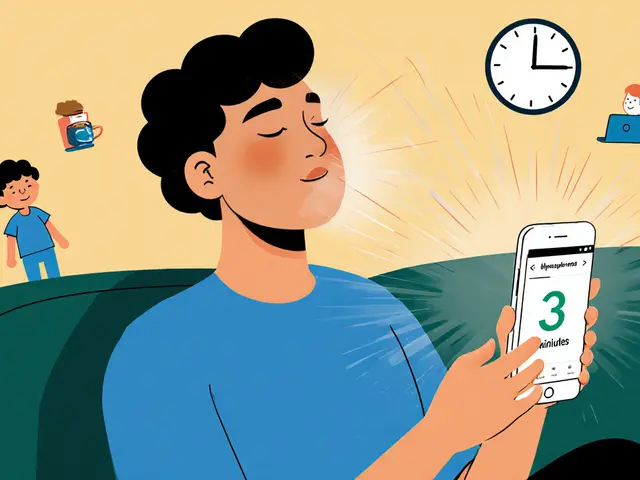
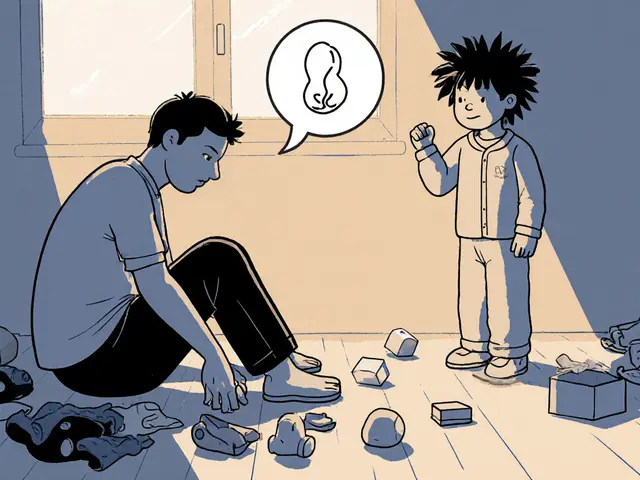
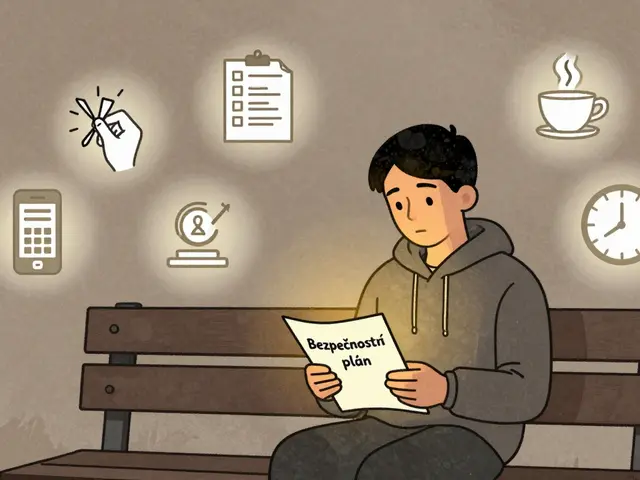
Traumata: Jak je léčit a co skutečně pomáhá
When you experience traumata, psychologické zranění způsobené příliš silnou nebo dlouhodobou šokující událostí, která překračuje vaši schopnost zpracovat ji. Also known as psychické zranění, it doesn't disappear just because time passed. It hides in your body, in your sleep, in the way you react to loud noises, to silence, to someone raising their voice. Traumata are not weakness—they’re survival mechanisms that got stuck. Many people carry them without even realizing it—until something triggers a flood of fear, numbness, or panic out of nowhere.
That’s why EMDR, metoda, která pomáhá mozku přepracovat traumatické vzpomínky pomocí bilaterální stimulace, jako je pohyb očí nebo tóny, or PE terapie, proces, kdy se postupně a bezpečně vystavujete vzpomínkám na trauma, aby se jejich moc nad vámi ztratila, work so well. These aren’t magic tricks. They’re evidence-based tools backed by dozens of clinical studies. You don’t need to relive the trauma to heal it—you need to rewire how your brain stores it. And if you’re dealing with PTSD, posttraumatická stresová porucha, která vzniká, když traumata přetrvávají a narušují každodenní život, you’re not broken. You’re stuck—and that’s something you can fix.
What most people don’t tell you is that healing trauma isn’t about forgetting. It’s about no longer letting the past control your present. It’s about learning to feel safe again—in your body, with others, even with yourself. That’s why therapy for trauma isn’t just talking. It’s learning to regulate your nervous system. It’s finding your rhythm again. It’s realizing you’re not alone in how your body reacts. And it’s knowing you don’t have to do it alone.
In this collection, you’ll find clear, practical guides on what actually works: how PE terapie helps soldiers and survivors, why EMDR is often faster than traditional talk therapy, how trauma connects to eating disorders, and why some therapies fail if they ignore the body. You’ll also learn what to look for in a trauma-informed therapist, how to recognize if you’re ready for deeper work, and why skipping stabilization often leads to worse results. No fluff. No jargon. Just what you need to know to start healing.
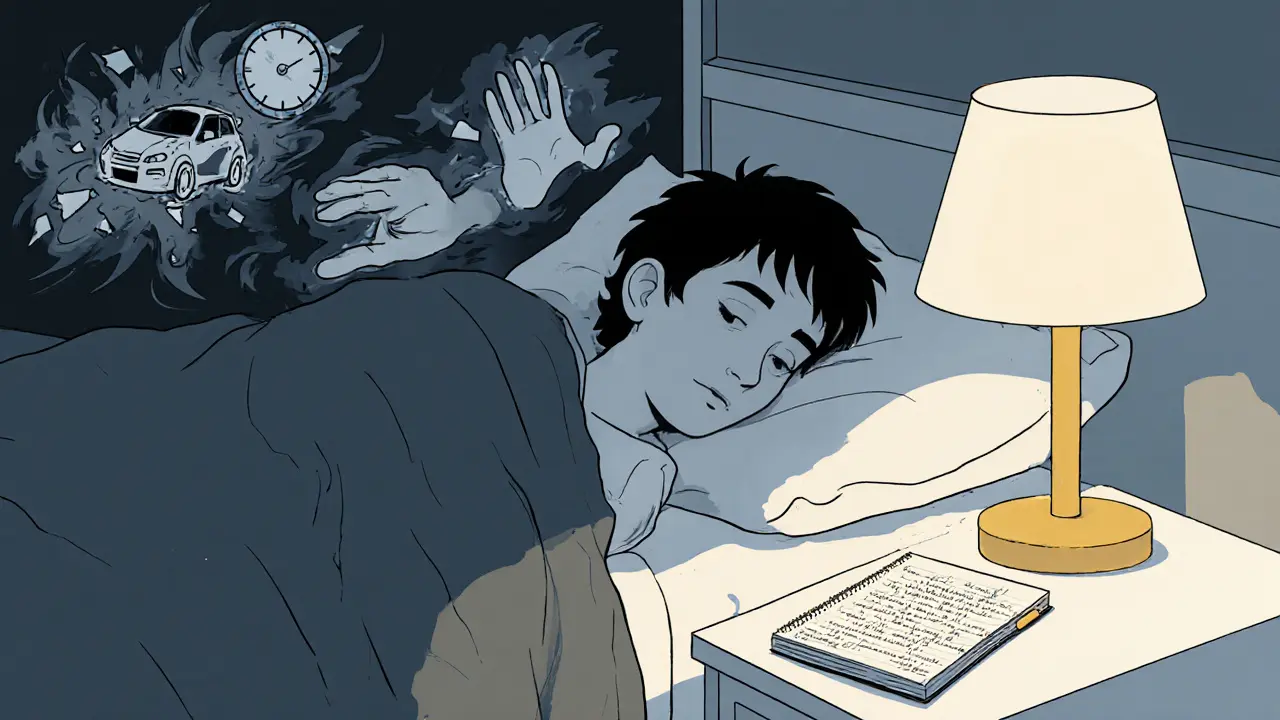
Noční můry po traumatu: Jak Imagery Rehearsal Therapy pomáhá překonat děsivé sny
- Od : Molly Mortimer
- Datum : lis 27 2025
Noční můry po traumatu jsou běžným příznakem PTSD, ale nejsou nevyhnutelné. Imagery Rehearsal Therapy (IRT) je ověřená metoda, která pomáhá změnit děsivé sny na klidné scénáře bez léků. V Česku je plně hrazena a úspěšná u 80 % pacientů.