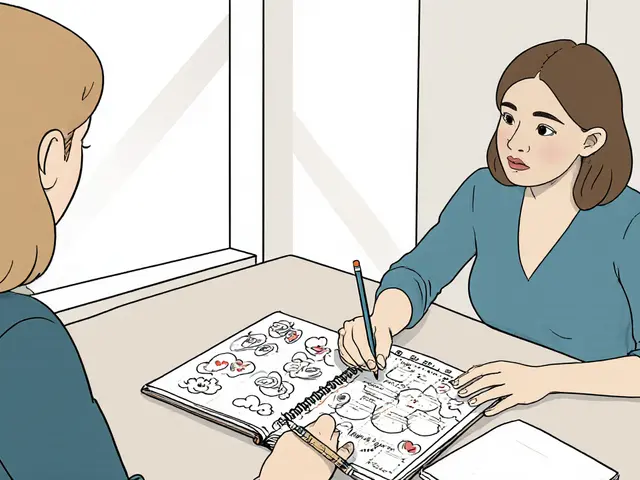
Senzorická přecitlivělost: Co to je a jak s ní žít
When you feel overwhelmed by the hum of a fridge, the tag of your shirt, or the way light hits the wall just right — you’re not being dramatic. You might be experiencing senzorická přecitlivělost, stav, kdy mozek přijímá a zpracovává smyslové podněty silněji než u většiny lidí. Also known as hypersenzitivita, it isn’t a diagnosis, but a real neurological pattern that affects how you experience the world — and it’s often linked to trauma, anxiety, or neurodivergence. This isn’t about being "too sensitive." It’s about your nervous system being wired to notice more — and react harder — to sights, sounds, smells, textures, and even social cues.
People with senzorická přecitlivělost, stav, kdy mozek přijímá a zpracovává smyslové podněty silněji než u většiny lidí often don’t realize why they’re exhausted after a grocery store visit, or why loud parties feel like torture. They might be told to "just get used to it" — but that’s like telling someone with a broken leg to walk it off. The brain doesn’t filter stimuli the same way. This can show up as sudden meltdowns, avoidance of crowds, needing silence to think, or even physical pain from clothing seams. It’s closely tied to senzorická integrace, proces, kterým mozek organizuje a reaguje na smyslové informace z těla a prostředí — and when this system is overloaded, it triggers stress responses that feel like panic, even when there’s no real danger.
Many of the people we work with in therapy didn’t know their struggles had a name until they started connecting the dots: the constant fatigue, the need to escape to quiet rooms, the way touch from a loved one sometimes felt like an attack. These aren’t personality flaws — they’re signs of a nervous system that’s been pushed too far, too often. And in trauma recovery, senzorická přecitlivělost, stav, kdy mozek přijímá a zpracovává smyslové podněty silněji než u většiny lidí is often the body’s way of staying alert after danger. It’s not broken — it’s trying to protect you. The good news? You can learn to recalibrate it. Through gentle movement, regulated breathing, and safe therapeutic space, the nervous system can begin to feel secure again. That’s what the posts below are about: real, practical ways to understand your sensitivity, reduce overload, and rebuild calm — without numbing yourself or pretending it’s not there.
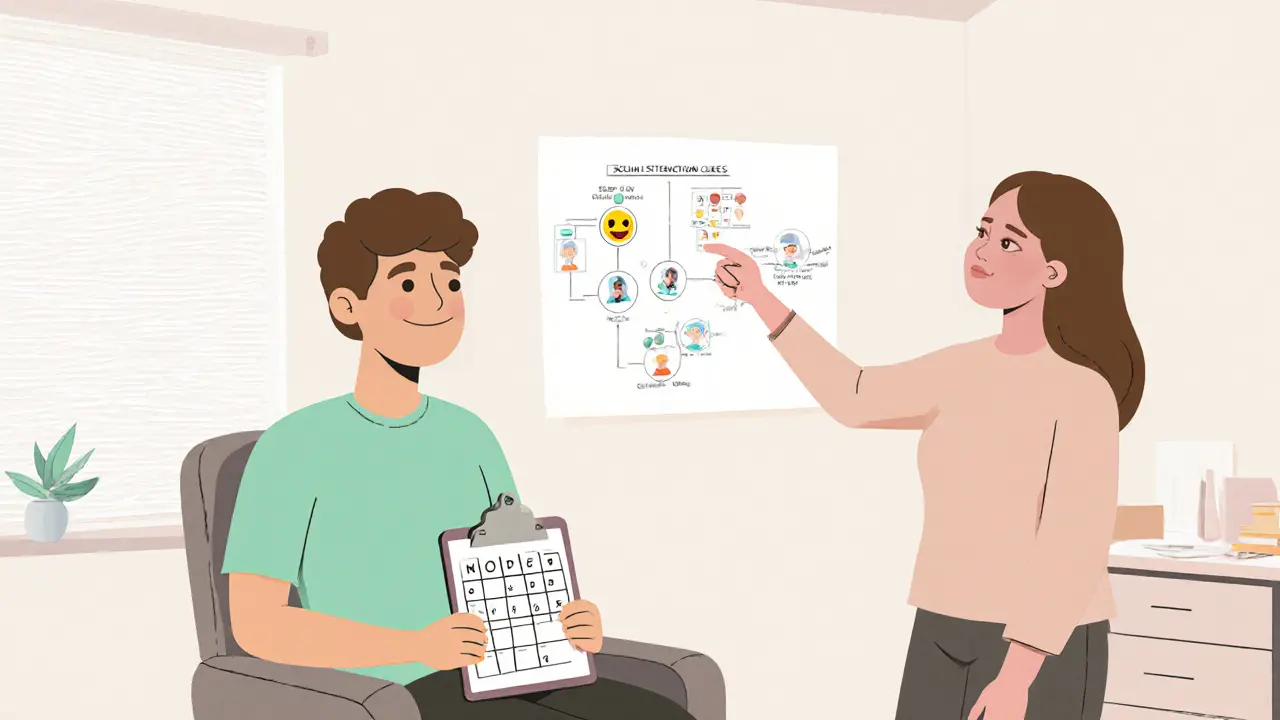
Aspergerův syndrom: Jaká psychoterapie pomáhá high-functioning autismu?
- Od : Molly Mortimer
- Datum : lis 9 2025
Aspergerův syndrom je součástí autistického spektra. Psychoterapie pro high-functioning autismus pomáhá zvládat úzkost, senzorickou přecitlivělost a sociální výzvy - pokud je přizpůsobená a respektuje neurodiverzitu.