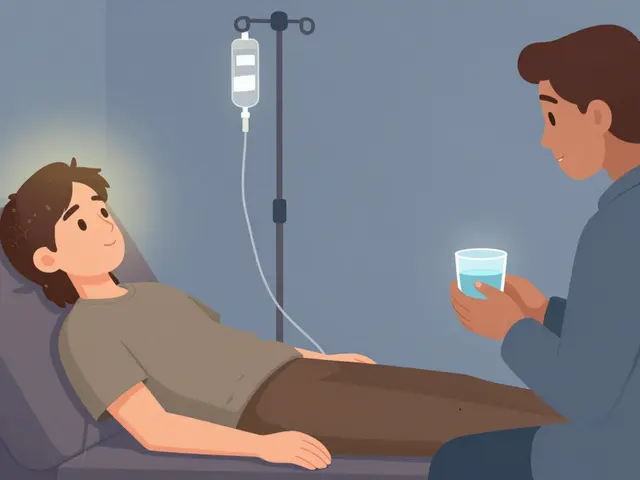
Komorbidní poruchy: Kdy se duševní problémy kombinují a co s tím
When you're struggling with komorbidní poruchy, současný výskyt dvou nebo více duševních poruch, které se navzájem posilují. Also known as současné poruchy, it often means your anxiety isn't just anxiety—it's tangled with depression, trauma, or even an eating disorder. This isn't rare. In fact, most people seeking help for mental health aren't dealing with just one issue. They're juggling a mix of symptoms that make sense only when seen together.
For example, someone with hraniční porucha osobnosti, porucha, která zahrnuje extrémní emoční nestabilitu, strach z opuštění a sebepoškozování often also has úzkostná porucha, pocit neustálého napětí, přehnaného strachu nebo panických útoků. Or someone recovering from trauma, zkušenost, která přetrvává v těle i mysli i po skončení nebezpečí might develop an eating disorder as a way to regain control. These aren't random coincidences. They're connected. The brain doesn't store problems in neat boxes. It holds them together—like tangled wires.
That’s why treating just one part rarely works. If you focus only on depression while ignoring the trauma underneath, the depression comes back. If you try to fix anxiety without addressing the emotional dysregulation from BPD, the panic returns stronger. That’s why therapists who understand komorbidní poruchy look at the whole picture. They don’t just ask, “What’s wrong?” They ask, “How do these pieces fit together?” And they adjust treatment—not by adding more therapy, but by connecting the dots.
You’ll find posts here that explain exactly how this works in practice. From how EMDR helps when trauma and BPD overlap, to why standard CBT might fail if depression and anxiety are both present. You’ll see why therapy for eating disorders must include trauma work—and why 65% of people in Czech clinics with anorexia or bulimia have a history of childhood abuse. You’ll learn why combining DBT with trauma therapy isn’t optional—it’s necessary. And why sometimes, the biggest breakthrough isn’t in changing thoughts, but in finally understanding that your pain isn’t random. It’s layered.
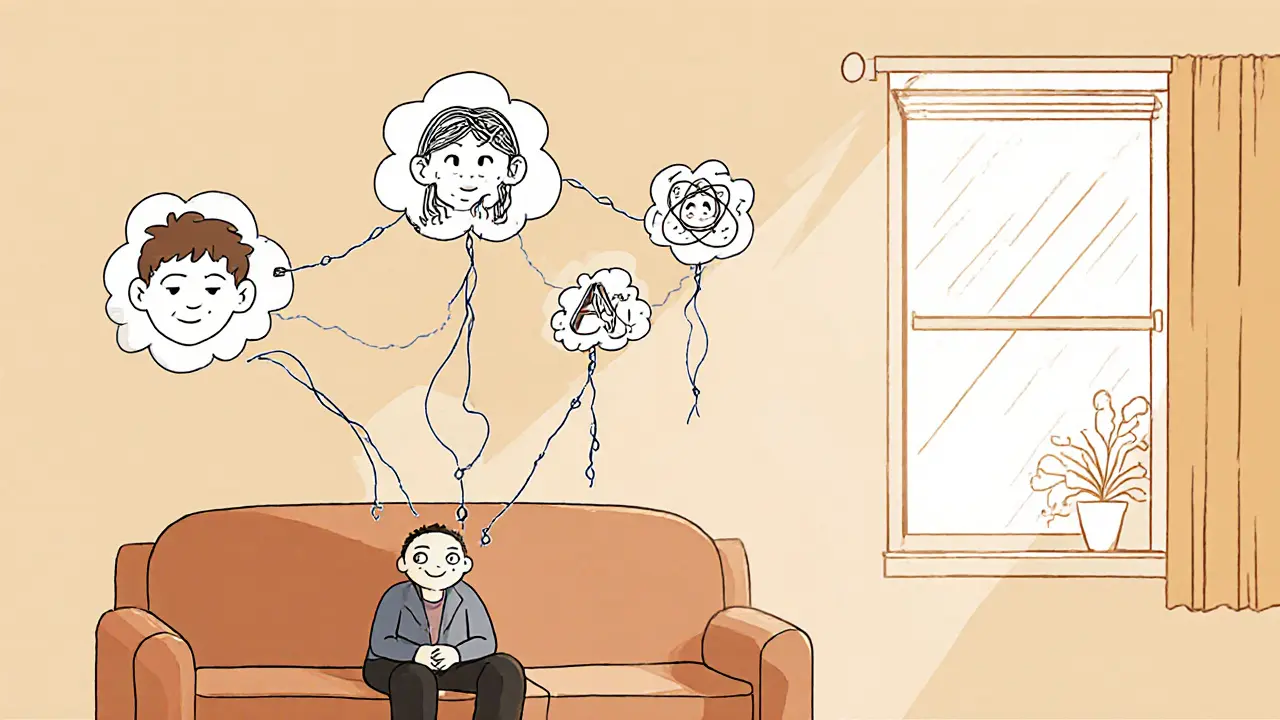
Psychoterapie a komorbidity: Jak léčit více duševních poruch najednou
- Od : Molly Mortimer
- Datum : lis 25 2025
Komorbidity je běžný jev v psychoterapii - lidé často trpí více duševními poruchami najednou. Jak terapie pracuje s těmito složitými případy a proč jednoduché přístupy často selhávají?