Přejídání: Jak trauma a emoce ovlivňují příjem potravy a co skutečně pomáhá
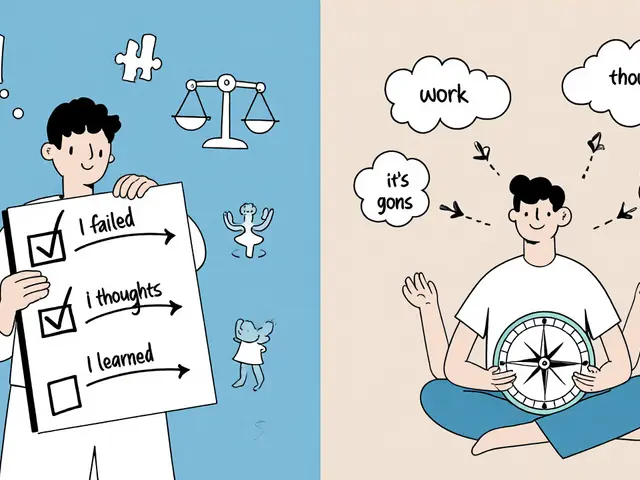
When you eat not because you’re hungry, but because your chest feels tight, your head is buzzing, or you just can’t sit with the silence — that’s not a lack of willpower. That’s your body trying to survive. přejídání, chování, kdy se jídlu vědomě nebo nevědomě věnuje jako způsobu zvládnutí emocí, často jako reakce na trauma nebo chronický stres. Also known as emocionální příjem potravy, it’s not a failure of discipline — it’s a coping mechanism that once kept you safe. Most people think it’s about food. It’s not. It’s about what you’re trying to numb, escape, or control when words fail.
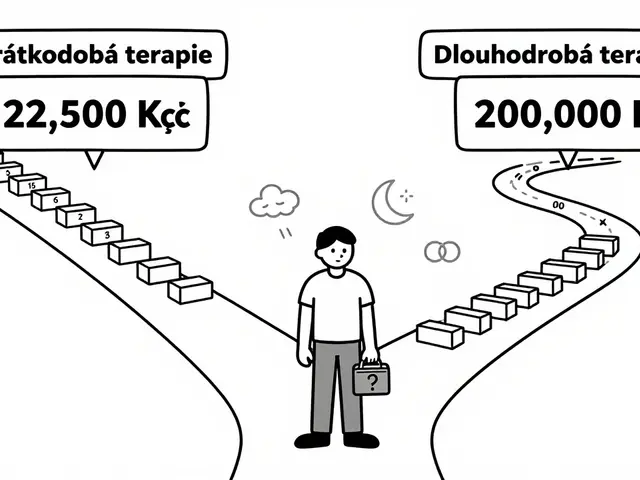
Behind many cases of poruchy příjmu potravy, skupina duševních poruch, které zahrnují přejídání, anorexii nebo bulimii, často spojené s traumatem a neschopností regulovat emoce lies unprocessed trauma. In the Czech Republic, 65% of people seeking help for eating issues have a history of childhood abuse or neglect. Standard diets or "just eat less" advice don’t work because they ignore the root. The body doesn’t care about calories when it’s still reliving the panic of being ignored, shamed, or unsafe. That’s why EMDR terapie, metoda, která pomáhá zpracovat traumata bez nutnosti opakovaného přehrávání bolestivých vzpomínek has become one of the most effective tools — not because it targets food, but because it helps the nervous system stop screaming for relief through eating.
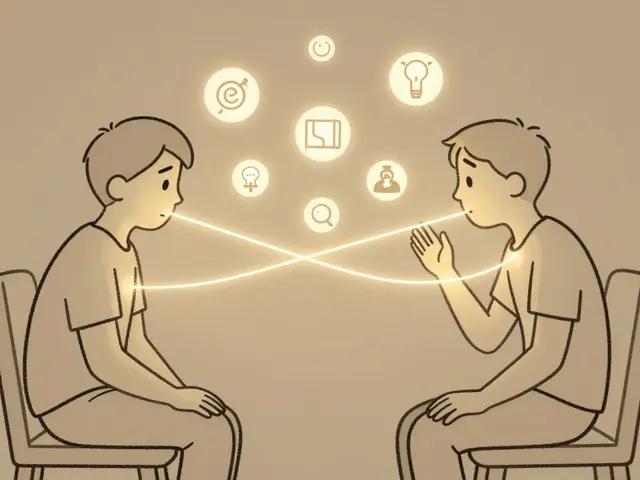
Regulating emotions isn’t about meditation apps or breathing exercises alone. It’s about rewiring the part of your brain that still thinks: "If I don’t eat this, I’ll disappear." That’s where regulace emocí, schopnost rozpoznat, přijmout a zvládnout silné city bez nutnosti se jich zbavit prostřednictvím jídla, alkoholu nebo jiných způsobů útěku becomes the real goal. Therapy doesn’t ask you to stop eating. It asks you to ask: "What am I really trying to feel right now?" And then gives you safer ways to answer that question.
You’ll find here real stories, proven methods, and honest conversations about how trauma hides in the kitchen, how therapy helps when diets fail, and why healing doesn’t start with a scale — but with safety. Whether you’re struggling with bingeing, feel trapped in cycles of guilt and overeating, or just want to understand why food feels like your only friend — these posts don’t judge. They just show you the way out.
Dialektická behaviorální terapie pro bulimii a přejídání: Jak regulovat emoce a přerušit cyklus
- Od : Molly Mortimer
- Datum : pro 3 2025
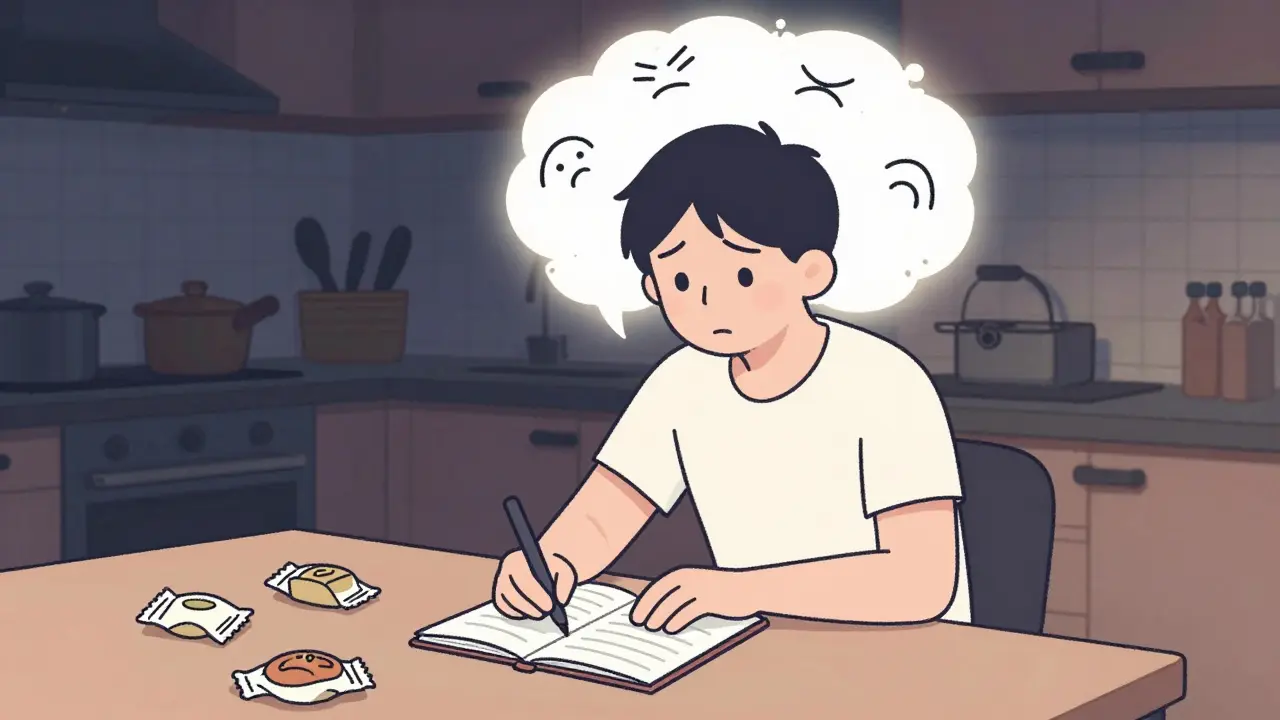
Dialektická behaviorální terapie (DBT) pomáhá lidem s bulimií a přejídáním přerušit cyklus jídla a zvracení tím, že učí regulovat emoce namísto jejich potlačování. Je efektivní zejména u komorbidních případů.