Jak připravit dítě na psychologa: Co potřebujete vědět, aby terapie fungovala
When you're thinking about taking your child to a psychologist, you're not just preparing them for a session—you're preparing your whole family for a change. Psychoterapie pro děti, specifický přístup, který respektuje vývojové potřeby dítěte a komunikuje skrze hru, příběhy a pohyb, nejen slovy. Also known as dětská psychoterapie, it works best when the child doesn't feel like they're being fixed, but like they're finally being heard. Many parents think the goal is to make the child "behave better," but real change starts when the child feels safe enough to be messy, angry, or scared without fear of judgment.
Rodičovská podpora, není doplňkem terapie—je její jádrem. Also known as terapie zaměřená na rodiče, it means you, as a parent, become part of the healing process—not just a bystander. You don't need to be perfect. You just need to be present. When you learn how to respond instead of react, when you stop seeing your child's behavior as a problem and start seeing it as a message, that's when the real shift happens. Studies show that when parents change their approach, children improve faster and more deeply than when they're the only ones in the room with the therapist. This isn't about blaming you. It's about recognizing that your relationship with your child is the most powerful therapeutic tool you have.
Many parents worry their child will be scared of the psychologist. But kids aren't afraid of the person—they're afraid of being misunderstood. That’s why the first meeting isn't about diagnosis. It's about whether your child feels like they can sit in that room without pretending to be okay. Does the therapist kneel to their level? Do they ask what they like to play? Do they let silence breathe? Those are the signs of someone who knows how to meet a child where they are.
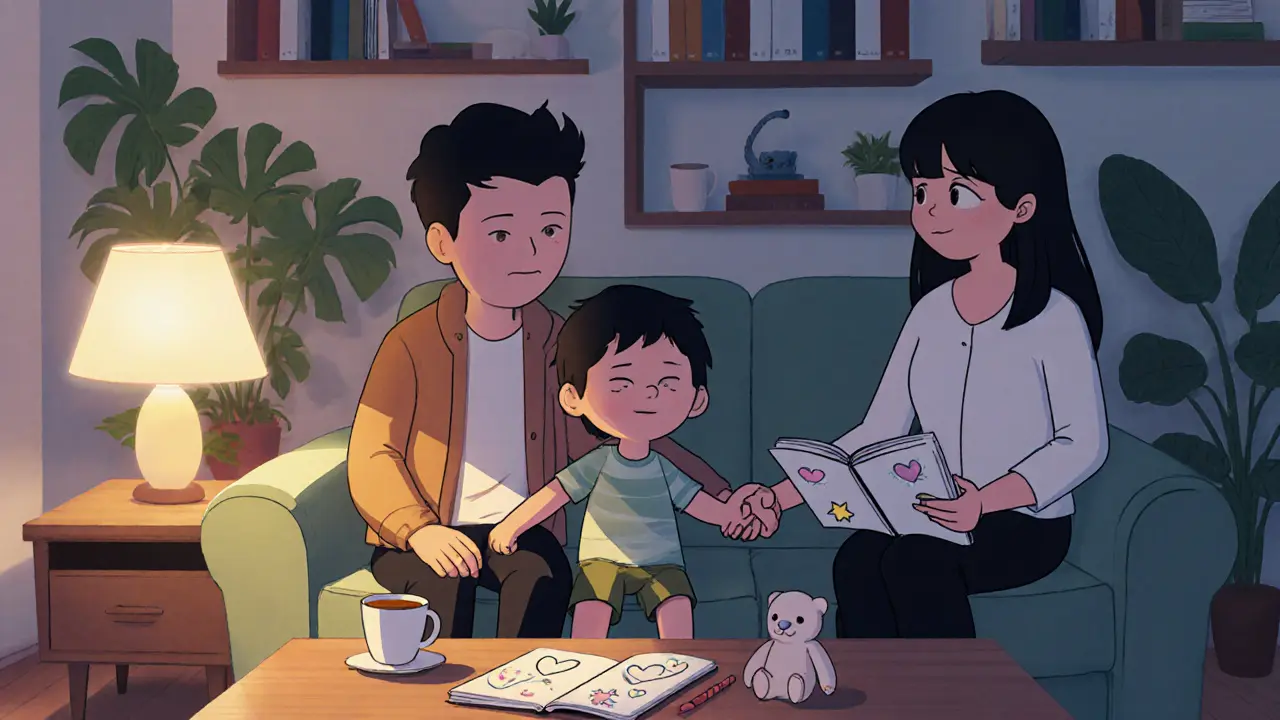
There’s no magic script for preparing your child. You can’t force them to be excited. But you can say: "I’m going with you, and we’ll figure this out together." You can avoid saying "You need help" and instead say, "Sometimes grown-ups talk to someone special when things feel heavy. I thought we could go together." You can let them bring a toy. You can let them sit in your lap if they want to. You can say it’s okay if they cry, or stay quiet, or even run out of the room. Their reaction isn’t failure—it’s information.
And don’t expect quick fixes. Therapy isn’t a vaccine. It’s a process. Some kids show changes in weeks. Others take months. But if you’re consistent, patient, and open to learning yourself, you’re already doing more than most. The goal isn’t to make your child "normal." It’s to help them feel like they belong—even in their own skin.
In the posts below, you’ll find real stories and practical tools from therapists who work with children every day. From how to handle tantrums after sessions, to why play therapy works better than talking for some kids, to what to do when your child refuses to go back—you’ll find answers that aren’t found in parenting blogs. These aren’t theories. They’re what works when the stakes are high and the clock is ticking.
Jak vysvětlit dítěti, že jde na psychologa: Praktické rady pro rodiče
- Od : Molly Mortimer
- Datum : úno 24 2025
Jak vysvětlit dítěti, že jde na psychologa, aniž by se bál? Praktické rady pro rodiče: jak mluvit o terapii, co říct, co vyhnout, a jak připravit dítě na první návštěvu. Bez trestů, bez strachu, jen s důvěrou.