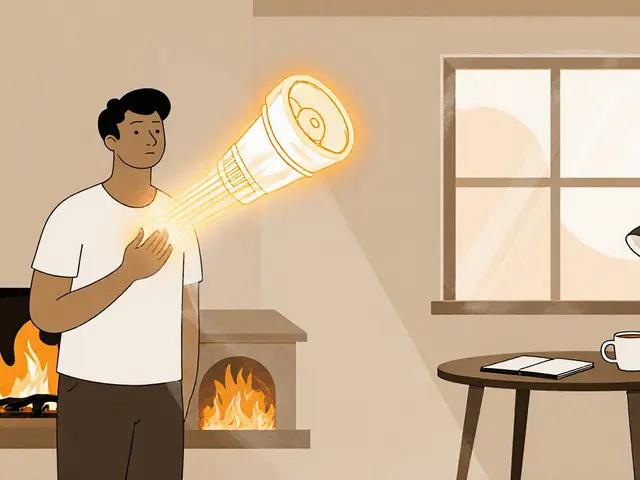
Mentalizační přístup: Jak rozumět svým i cizím myšlenkám v terapii
When you feel misunderstood, it’s not always because the other person is cruel — often, they simply can’t see what’s going on inside your head. That’s where mentalizační přístup, psychoterapeutický přístup, který se zaměřuje na schopnost rozumět vlastním i cizím myšlenkám, emocím a úmyslům. Also known as mentalizace, it’s not about fixing behavior — it’s about understanding why you behave the way you do, especially when you’re overwhelmed, hurt, or angry. This approach doesn’t ask you to change your thoughts right away. It asks: What were you thinking when you reacted like that? And: What do you think the other person was feeling? It’s simple, but powerful.
People who grew up in chaotic or emotionally neglectful environments often never learned how to read their own emotions — let alone someone else’s. Trauma, neglect, or constant criticism can shut down this inner radar. That’s why so many struggle in relationships: they misread anger as rejection, silence as indifference, or concern as control. mentalizace, schopnost vnímat, že jiní mají vlastní myšlenky a city, které se liší od vašich, is what therapy rebuilds. It’s not magic. It’s practice. And it’s backed by research showing it reduces self-harm, improves attachment, and helps people with borderline personality disorder stay out of crisis. You don’t need to be diagnosed with anything to benefit. If you’ve ever thought, "Why do I always end up here?" or "They just don’t get me," this is where you start.
The terapie vztahů, formy psychoterapie zaměřené na vzájemné porozumění a komunikaci mezi lidmi that use mentalization don’t focus on past events as much as they focus on what’s happening right now — in the room, in the conversation, in your body. When you feel triggered, the therapist doesn’t ask, "What happened to you?" — they ask, "What were you thinking when you said that?" This shift changes everything. It turns blame into curiosity. It turns shame into understanding. And it turns isolation into connection.
You’ll find posts here that show how mentalization works in practice: how it helps people with trauma stop reacting out of fear, how it changes the way couples argue, and how it’s used alongside DBT to calm emotional storms. You’ll see how it’s not about being "right," but about being understood. And how, even after years of feeling broken, you can learn to read your own mind — and finally, truly hear others.
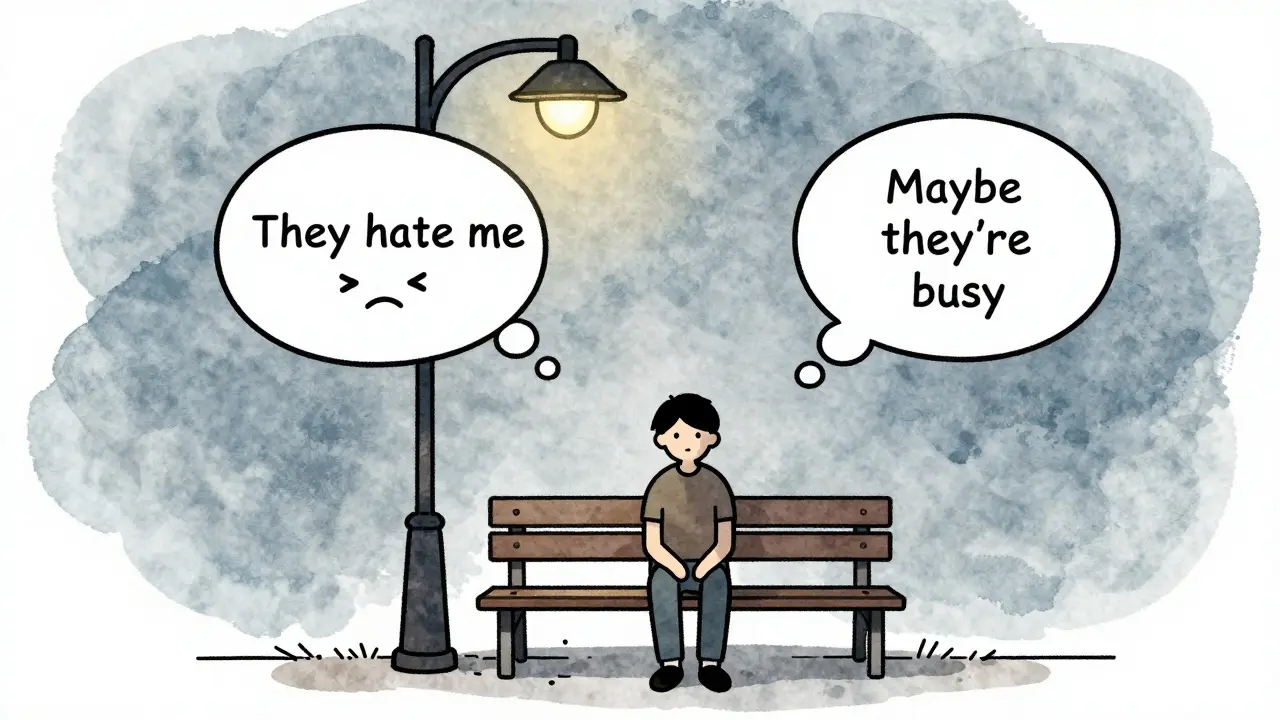
Mentalizační přístup (MBT): Jak rozvíjet schopnost porozumění vztahům při léčbě poruch osobnosti
- Od : Molly Mortimer
- Datum : pro 1 2025
Mentalizační přístup (MBT) je důkazově podložená psychoterapie zaměřená na obnovu schopnosti porozumění vlastním a cizím emocím. Efektivní při léčbě hraniční poruchy osobnosti, pomáhá zlepšit vztahy a snížit sebevražedné myšlenky.