Imagine waking up with a hollow feeling in your stomach, not from hunger, but from the anxiety of what you might eat next. For many people living with mentální bulimie is a complex eating disorder characterized by recurrent episodes of binge eating followed by compensatory behaviors such as vomiting or laxative use, this cycle feels like an inescapable trap. The good news? It is treatable. Unlike mental anorexia, clinical practice at the Psychiatric Clinic of Brno University Hospital suggests that recovery rates for bulimia are often more favorable, provided the right therapeutic approach is taken early.
This article breaks down how psychotherapy actually works for bulimia in the Czech context. We will look at the specific methods used, why timing matters, and what you can realistically expect from the treatment process. Whether you are seeking help for yourself or a loved one, understanding these mechanisms is the first step toward breaking the cycle.
Key Takeaways
- Kognitivně-behaviorální terapie (KBT) is the primary evidence-based method for changing binge-eating behaviors and negative body image.
- Treatment is multifactorial, addressing biological, psychological, and social factors simultaneously.
- Relapse rates are significant (up to 50%), making interpersonal therapy and long-term support crucial.
- Early intervention is critical; delays complicate the therapeutic process and increase the risk of chronicity.
- Care in the Czech Republic is centralized, with the Psychiatric Clinic of FN Brno being the sole provider of comprehensive care from childhood to adulthood.
Understanding the Core Mechanism: Why Food Feels Like a Drug
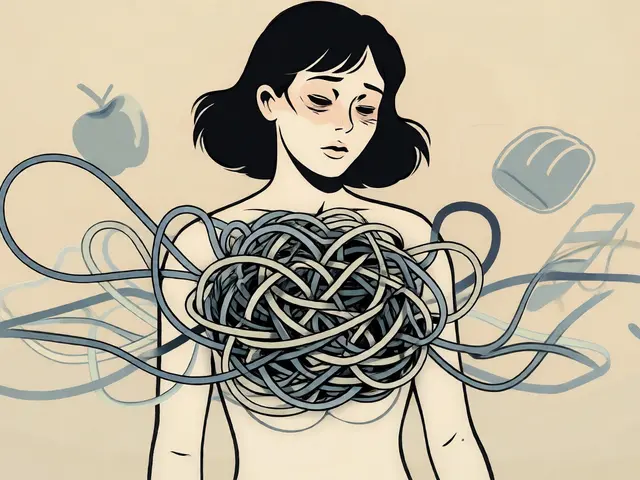
To understand the treatment, we first need to understand the problem. In mental bulimia, food often serves a function similar to a substance of dependence. The Psychiatric Clinic of FN Brno highlights that the "wolf's hunger" experienced during a binge episode is comparable to the craving for a narcotic. This isn't just about gluttony; it's a neurobiological response where eating provides temporary relief from emotional pain or stress, only to be followed by shame and compensatory actions like vomiting.
This cycle creates a vicious loop. The patient eats to soothe emotions, vomits to control weight, and then feels physically depleted and emotionally drained. Because of this, simple advice like "just eat normally" rarely works. The treatment must address both the behavioral aspect (stopping the binge-purge cycle) and the cognitive aspect (changing the distorted thinking patterns that drive the behavior).
The Primary Tool: Cognitive-Behavioral Therapy (CBT)
When it comes to treating mental bulimia, Kognitivně-behaviorální terapie (KBT) is the most widely recommended and effective psychotherapeutic approach for modifying binge eating behaviors and normalizing dietary habits. CBT focuses on identifying and changing the specific thoughts and beliefs that lead to problematic eating behaviors. For example, a patient might believe that "if I eat one cookie, I'll lose control and eat the whole box." CBT helps challenge this all-or-nothing thinking.
In practice, CBT involves several key components:
- Regular Eating Patterns: Patients learn to establish a consistent meal schedule to prevent the extreme hunger that triggers binges.
- Self-Monitoring: Keeping a food and mood diary to identify triggers for binge episodes.
- Cognitive Restructuring: Working on negative self-perception, perfectionism, and low self-esteem, which are common comorbidities.
The goal isn't just to stop vomiting; it's to rebuild a healthy relationship with food and the body. According to data from NZIP (National Health Information Portal), CBT is particularly effective because it directly targets the "compensatory behaviors" that define bulimia.

Beyond CBT: Interpersonal and Psychodynamic Approaches
While CBT is the frontline defense, it isn't the only tool in the box. Treatment plans are individualized based on the patient's specific history and needs. Two other significant approaches include Interpersonal Psychotherapy (IPT) and Psychodynamic Therapy.
Interpersonální psychoterapie (IPT) is a therapeutic method focused on resolving current interpersonal problems and role transitions, often used in relapse prevention programs. Research suggests that up to 50% of patients experience a relapse after primary treatment. IPT is specifically designed to address the social and relational issues that may have contributed to the onset of the disorder or that sustain it. By improving communication skills and managing life transitions, IPT helps build a supportive environment that reduces the likelihood of returning to old habits.
On the other hand, Psychodynamic Therapy is indicated when short-term interventions fail or when there is a deep-seated personality issue or history of trauma. First described in the context of eating disorders by Hilde Bruch in 1973, this approach explores unconscious conflicts and past experiences, such as sexual abuse or severe psychotrauma, that may underlie the eating disorder. It is a longer-term process but can be vital for patients who have tried and failed with more structured, short-term therapies.
Structure of Care in the Czech Republic
Navigating the healthcare system can be confusing, especially for specialized conditions. In the Czech Republic, the landscape for eating disorder care is highly centralized. The Psychiatric Clinic of Brno University Hospital is currently the only facility capable of providing comprehensive care for patients with eating disorders from childhood through adulthood. This means that while general practitioners and local psychologists can offer initial support, complex cases often require referral to this specialized center.
Treatment typically follows a stepped-care model:
- Ambulatory Care: The most common starting point, involving regular outpatient visits for psychotherapy and monitoring.
- Day Hospital (Denní stacionář): For patients who need more intensive support but don't require full hospitalization. This includes regime therapy, ergotherapy, and physical therapy.
- Hospitalization: Reserved for severe cases involving medical instability, high risk of self-harm, or severe comorbid dependencies.
Before starting any specific therapy, a comprehensive medical assessment is mandatory. This includes internal medicine exams, ECG, cardiac ultrasound, and bone densitometry to check for physical damage caused by purging behaviors, such as electrolyte imbalances or bone density loss.
The Role of Family and Motivation
Eating disorders rarely exist in a vacuum. They affect the entire family unit. That’s why maintaining motivation is a central part of the treatment plan. NZIP emphasizes that it’s not just the patient who needs information; relatives play a crucial role in supporting the recovery process. For children and adolescents, family therapy is an indispensable component of treatment, helping parents understand the disorder without falling into enabling or over-controlling behaviors.
Motivation can waver, especially in the acute phase where the patient’s cooperation might be minimal. Therapists work hard to keep the patient engaged, often using motivational interviewing techniques. It’s important to remember that recovery is a marathon, not a sprint. The fact that the patient is seeking help, even if they feel hopeless, is a sign of resilience.

Combining Therapy with Medication
Psychotherapy is the cornerstone of treatment, but it doesn’t always work alone. If a patient suffers from comorbid depression or anxiety, which is very common in bulimia, medication might be prescribed. Antidepressants, particularly SSRIs, can help reduce the frequency of binge episodes and improve overall mood. However, medication is generally considered a supportive measure rather than a cure. It helps stabilize the patient enough to engage fully in psychotherapy. The decision to prescribe medication is made by a psychiatrist who considers the individual’s physical and psychological state.
| Approach | Primary Focus | Best Used For | Typical Duration |
|---|---|---|---|
| KBT (Cognitive-Behavioral Therapy) | Changing thoughts and behaviors related to eating | First-line treatment for most patients | Short to medium term (months) |
| IPT (Interpersonal Psychotherapy) | Resolving interpersonal conflicts and role changes | Relapse prevention and social difficulties | Medium term (weeks to months) |
| Psychodynamic Therapy | Exploring unconscious conflicts and trauma | Complex cases, personality disorders, trauma history | Long term (years) |
Practical Tips for Starting Treatment
If you or someone you know is considering treatment, here are some practical steps:
- Consult a General Practitioner First: They can perform initial blood tests and refer you to a specialist or the Psychiatric Clinic in Brno if needed.
- Be Honest About Symptoms: Don’t hide the purging behaviors. Doctors need to know the full picture to assess physical health risks.
- Prepare for Commitment: Therapy requires active participation. Keep a food diary, attend sessions regularly, and communicate openly with your therapist.
- Involve Support Systems: Let close family members or friends know about the diagnosis so they can provide appropriate support.
Remember, the goal is not perfection. It’s about learning to live with food again, without fear. With the right combination of therapy, support, and time, recovery is absolutely possible.
Frequently Asked Questions
How long does psychotherapy for mental bulimia take?
There is no fixed timeline. CBT might last several months, while psychodynamic therapy can take years. The duration depends on the severity of the disorder, comorbidities, and the patient's progress. Consistency is more important than speed.
Is medication necessary for treating bulimia?
Not always. Medication is typically prescribed if there are comorbid conditions like depression or severe anxiety. It helps stabilize mood and reduce cravings, making psychotherapy more effective. A psychiatrist decides on the necessity based on individual assessment.
What happens if I relapse after treatment?
Relapse is common, affecting up to 50% of patients. It doesn't mean treatment failed. Instead, it signals a need for further support, possibly through Interpersonal Psychotherapy (IPT) or booster sessions. Early detection of warning signs is key to preventing a full return to symptoms.
Where can I get specialized care in the Czech Republic?
The Psychiatric Clinic of Brno University Hospital is the primary center for comprehensive care for eating disorders across all age groups. Local psychiatrists and psychologists can also provide initial therapy and referrals.
Does family involvement really help?
Yes, significantly. Family members who understand the disorder can create a supportive home environment. For younger patients, family therapy is a standard part of the treatment plan. Education for relatives helps them avoid behaviors that might inadvertently reinforce the eating disorder.